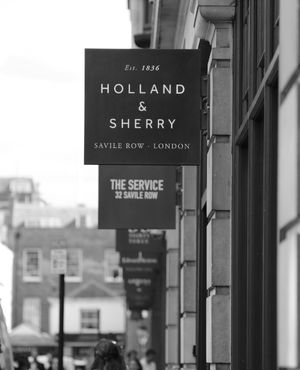
There are few streets in the world where craftsmanship carries the same quiet authority as Savile Row. Tucked discreetly within the refined heart of London, the historic Row has, for more than two centuries, represented the pinnacle of bespoke tailoring — a world where precision, restraint and elegance are stitched into every seam.
Long associated with statesmen, royalty, artists and aristocracy, Savile Row became synonymous with the perfectly cut suit. Yet beyond its polished windows and storied fitting rooms lies a history shaped not only by tradition, but by evolution. Today, a new chapter is unfolding — one in which women are no longer merely clients of tailoring, but respected cutters, coat makers and custodians of the craft itself.
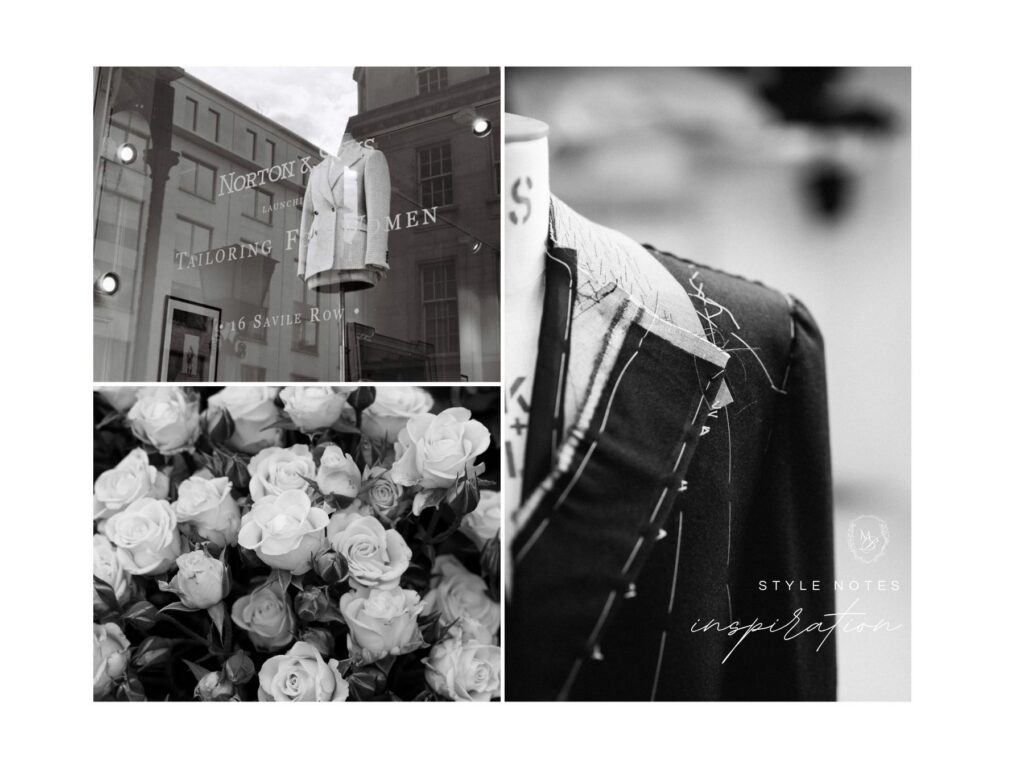
GEORGIAN TAILORING ORIGINS
Long before Savile Row became the world’s most revered address for bespoke tailoring, its name paid tribute to a remarkable woman. Laid out in the 1730s as part of the Burlington Estate in London’s Mayfair, the street was named by the 3rd Earl of Burlington in honour of his wife, Lady Dorothy Savile. It is a fitting piece of history that a street synonymous with impeccable men’s tailoring should carry the name of a woman—one that, centuries later, is welcoming a new generation of women redefining its distinguished heritage.
The origins of Savile Row date back to the 18th century, though its reputation as the epicentre of bespoke tailoring emerged during the early 1800s. Tailors established ateliers along the Row to serve the English elite, creating garments entirely by hand and cut to the exact proportions of the individual wearer. Unlike ready-to-wear fashion, bespoke tailoring was — and remains — an intimate dialogue between artisan and client.
Every detail held significance. The drape of a shoulder. The break of a trouser. The architecture hidden beneath a lapel. A Savile Row suit was never designed to announce itself loudly; rather, it communicated confidence through refinement and precision.
For much of its history, however, Savile Row existed almost exclusively as a masculine institution. Tailoring workshops were traditionally male spaces, passed from one generation of craftsmen to the next. Women, while often involved behind the scenes in sewing rooms and finishing work, were rarely recognised publicly within the upper ranks of bespoke tailoring.
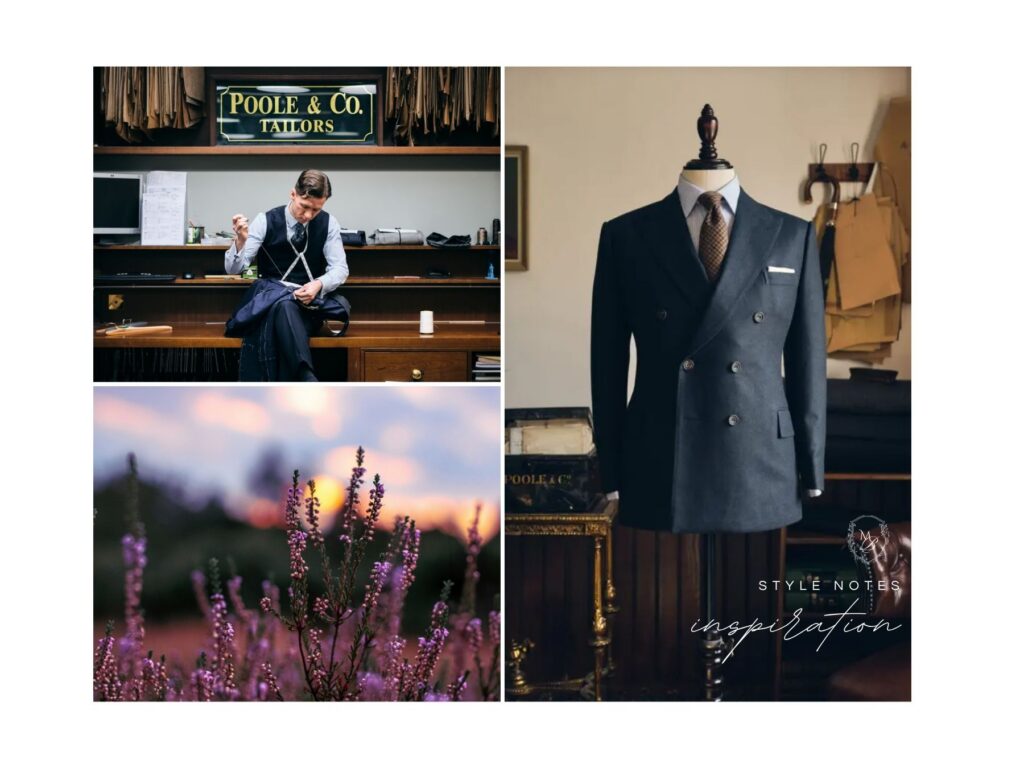
A QUIET SHIFT IN BESPOKE
That landscape began to shift quietly in the late 20th century.
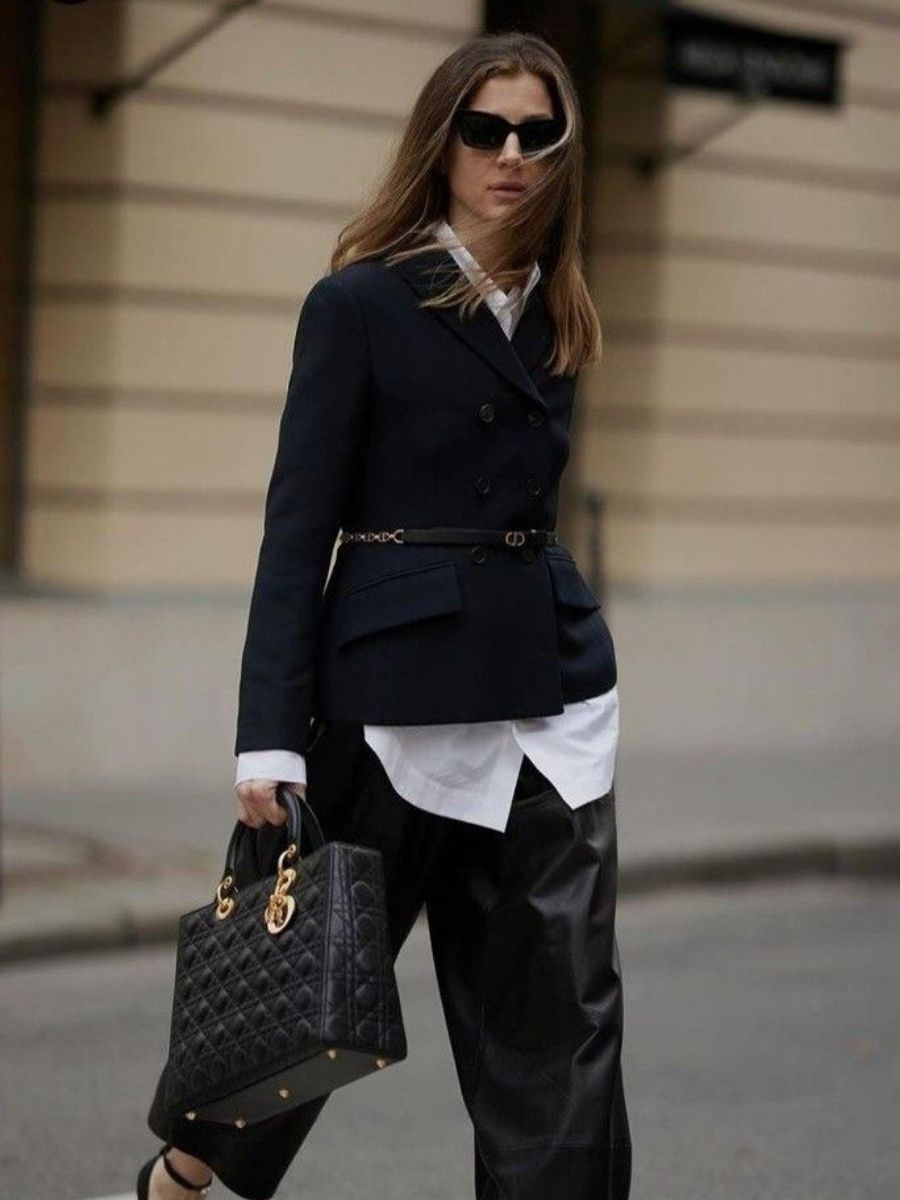
As women increasingly embraced tailoring as part of modern dressing — not as imitation menswear, but as an expression of authority and elegance — Savile Row itself began to evolve. The structured jacket became a symbol of confidence for women in business, culture and fashion alike. Designers and cutters slowly recognised that tailoring for women required more than simply resizing a man’s suit; it demanded its own understanding of proportion, movement and femininity.
Today, a new generation of female tailors and cutters are helping reshape the Row from within. Women have stepped into roles once considered inaccessible: master cutters, bespoke consultants and atelier founders preserving centuries-old techniques while bringing a contemporary perspective to the craft.
A NEW TAILORING GENERATION
Among the most influential figures is Kathryn Sargent, who became the first woman in Savile Row history to hold the title of head cutter at a major tailoring house before opening her own tailoring atelier. Her presence marked a turning point — proof that the traditions of Savile Row could honour heritage while embracing modernity.
Equally significant is the growing number of women commissioning bespoke tailoring not only for occasion dressing, but for everyday life. The modern tailored wardrobe has become softer, more fluid and deeply personal. Precision remains central, yet there is now greater freedom in silhouette and expression.
What endures is the philosophy behind the craft itself: patience, artistry and permanence in an era increasingly defined by speed.
In many ways, Savile Row represents the antithesis of disposable fashion. A bespoke garment may take more than fifty hours to create, involving multiple fittings and the skilled hands of coat makers, trouser makers and finishers. The result is not simply clothing, but a piece designed to last decades — often passed between generations.
And perhaps this is why Savile Row continues to captivate. Not because it resists change entirely, but because it evolves carefully, preserving the integrity of craftsmanship while allowing new voices to shape its future.
WOMEN MAKING AN IMPRESSION
The story of Savile Row is no longer solely one of gentlemen in sharply tailored wool. It is also the story of women entering one of fashion’s most revered traditions — not to disrupt its elegance, but to refine and reimagine it for a new era.
Among the women redefining the landscape of Savile Row, these names stand with particular significance — each bringing her own perspective to one of fashion’s most revered traditions.
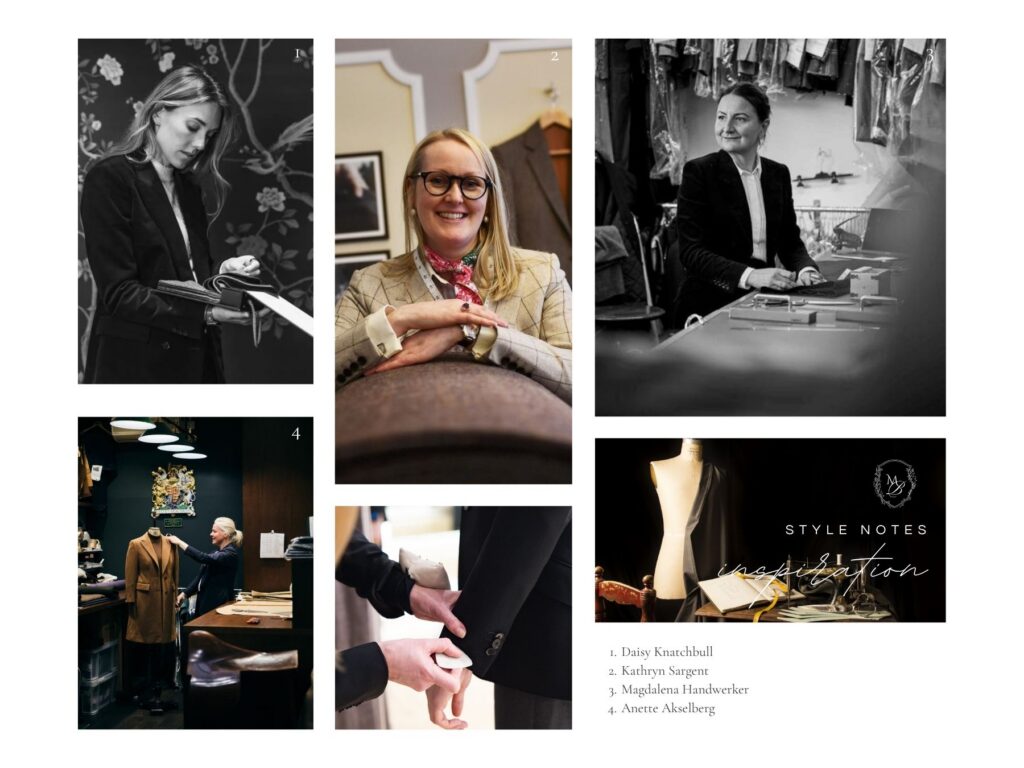
Daisy Knatchbull has played a defining role in reshaping the landscape of Savile Row. As founder of The Deck, the first tailoring house on the Row devoted exclusively to women, she identified a desire for impeccably cut tailoring created with women’s proportions and lifestyles in mind. Her approach has introduced a new chapter to the Row’s heritage, one that seamlessly blends traditional craftsmanship with a contemporary vision of feminine elegance and authority.
A trailblazer in the world of bespoke tailoring, Kathryn Sargent has played a defining role in shaping the modern face of Savile Row. After training within some of the Row’s most esteemed houses, she became the first woman to hold the position of head cutter at a major tailoring firm before establishing her own atelier. Her signature aesthetic blends the discipline and craftsmanship of traditional English tailoring with a softer, contemporary sensibility, resulting in impeccably tailored pieces for both men and women.

Founded in 1849, Huntsman began as an equestrian tailor, crafting garments for riders whose clothing demanded both elegance and exceptional freedom of movement. More than a century and a half later, the house continues to honour its heritage while embracing a new chapter in bespoke tailoring. Today, Magdalena Handwerker, Head Ladieswear Cutter, brings her expertise to women seeking the same meticulous craftsmanship long associated with Savile Row. Her work reflects the quiet evolution of the Row itself—where tradition is not replaced, but thoughtfully expanded to welcome a new generation of discerning female clients.
Today, Anette Akselberg, a Master Tailor whose career on Savile Row spans more than three decades, and who, as a young tailor, made a number of garments for the late Princess of Wales—including this timeless twill blazer—specialises in bespoke tailoring for women. She combines the precision and craftsmanship of traditional hand tailoring with a contemporary understanding of how women wish to dress. Her work is a reminder that the future of Savile Row is being written not only by its historic houses, but also by the talented women helping to preserve and evolve its remarkable heritage.
PRESERVING THE CRAFTSMANSHIP
What endures is the philosophy behind the craft itself: patience, artistry and permanence in an era increasingly defined by speed.
In many ways, Savile Row represents the antithesis of disposable fashion. A bespoke garment may take more than fifty hours to create, involving multiple fittings and the skilled hands of coat makers, trouser makers and finishers. The result is not simply clothing, but a piece designed to last decades — often passed between generations.
And perhaps this is why Savile Row continues to captivate. Not because it resists change entirely, but because it evolves carefully, preserving the integrity of craftsmanship while allowing new voices to shape its future.
Editorial Note: To discover more about the featured Savile Row Tailoring Houses, visit to find out more about their enduring stories and design. Featured images to brands.
Beauty & Grace To Discover
The Art – Of Elegant Jean Wearing: There is a quiet refinement in denim when it is approached with intention. This story is not about trends, but about cultivating a wardrobe foundation—one that evolves gently, wears beautifully, and endures. Read Now:
Slow Living – The Beauty Of Being Present: Wellbeing is more than rituals or routines; it’s the quiet cultivation of a life that feels as beautiful as it appears. Slow living invites us to breathe deeply and embrace each passing season with thought. Read Now: